Six parties including the Helmholtz Center Berlin launch the ASCEND project to accelerate AI-driven catalyst development
fr.wedoany.com Rapport : Six research and industrial partners, including the Helmholtz Center Berlin, the Fritz-Haber Institute of the Max Planck Society, BASF, Dunia Innovations, Siemens Energy, and the Technical University of Berlin, have jointly launched a project aimed at accelerating catalyst discovery. The German Federal Ministry for Science, Technology, and Space is providing €30 million in funding for the project, which is scheduled to run for five years starting April 1, 2026. The goal is to reduce the fossil fuel dependence of energy-intensive industries through catalyst development while maintaining industrial competitiveness in the chemical sector.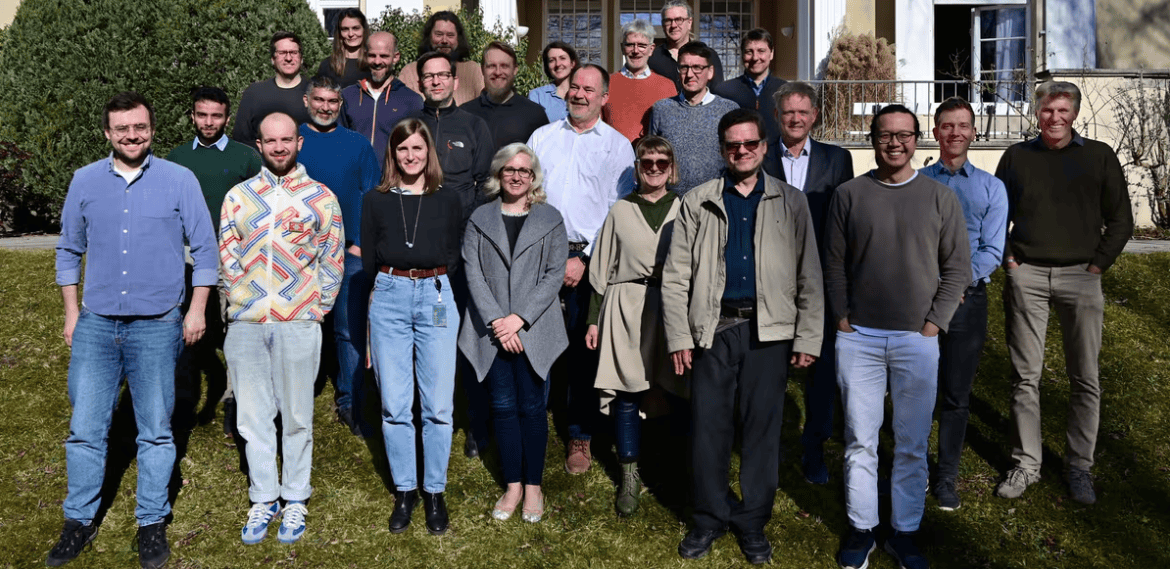
This project, named ASCEND, combines digital catalysis and thin-film catalyst technologies, with artificial intelligence as its core driving force. Digital catalysis uses AI, simulations, and self-driving laboratories to accelerate the exploration of high-performance materials, while thin-film catalysts optimize performance by reducing material usage and improving efficiency. Integrated three-dimensional structure design enhances catalyst surface area and reaction control capabilities, providing industrial alternatives for sustainable synthetic fuels and basic chemicals.
In the ASCEND project, AI collaborates with automated systems to build digital twin models, autonomously design and execute experiments, forming an iterative learning loop to continuously optimize catalyst performance. The project coordinator emphasized the key role of AI: « The AI-driven approach of ASCEND allows us to explore vast material spaces that were previously inaccessible, » said Karsten Reuter, project leader at the Fritz-Haber Institute. Michelle Browne, co-project leader at the Helmholtz Center Berlin, added: « It fundamentally changes how quickly science can provide the solutions urgently needed by the chemical industry. »
Marcus Tze-Kiat Ng, Chief Technology Officer of Dunia Innovations, pointed out: « The goal is not autonomy for the sake of autonomy, but to achieve industrially trustworthy results. In ASCEND, by combining AI with physical synthesis and stress testing under manufacturing-relevant conditions, Dunia accelerates learning while maintaining confidence at scale. »
By shortening the catalyst development cycle, the ASCEND project aims to achieve the technological breakthroughs needed for the large-scale commercial application of green hydrogen and sustainable chemicals. Wolfram Stichert, Senior Vice President of BASF SE, stated: « This project allows us to validate new catalyst materials at an early stage, which is crucial for translating promising research into technological applications. » This collaboration, based on the long-term partnership between the Fritz-Haber Institute and the Helmholtz Center Berlin, will further strengthen Germany's leading position in catalytic research.
Texte compilé par Wedoany. Toute citation par IA doit mentionner la source « Wedoany ». En cas de contrefaçon ou d’autre problème, veuillez nous en informer rapidement ; nous modifierons ou supprimerons le contenu le cas échéant. Courriel : news@wedoany.comProduits Associés
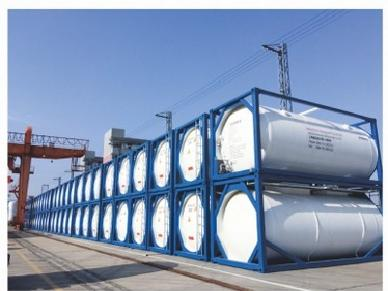

Conteneur-citerne à température normale/basse température
Hangzhou Oxygen Plant Group CO., Ltd.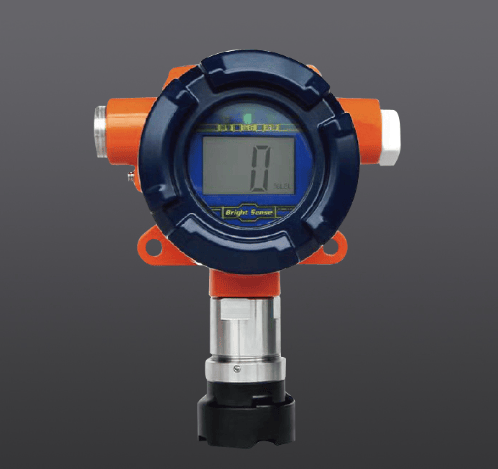
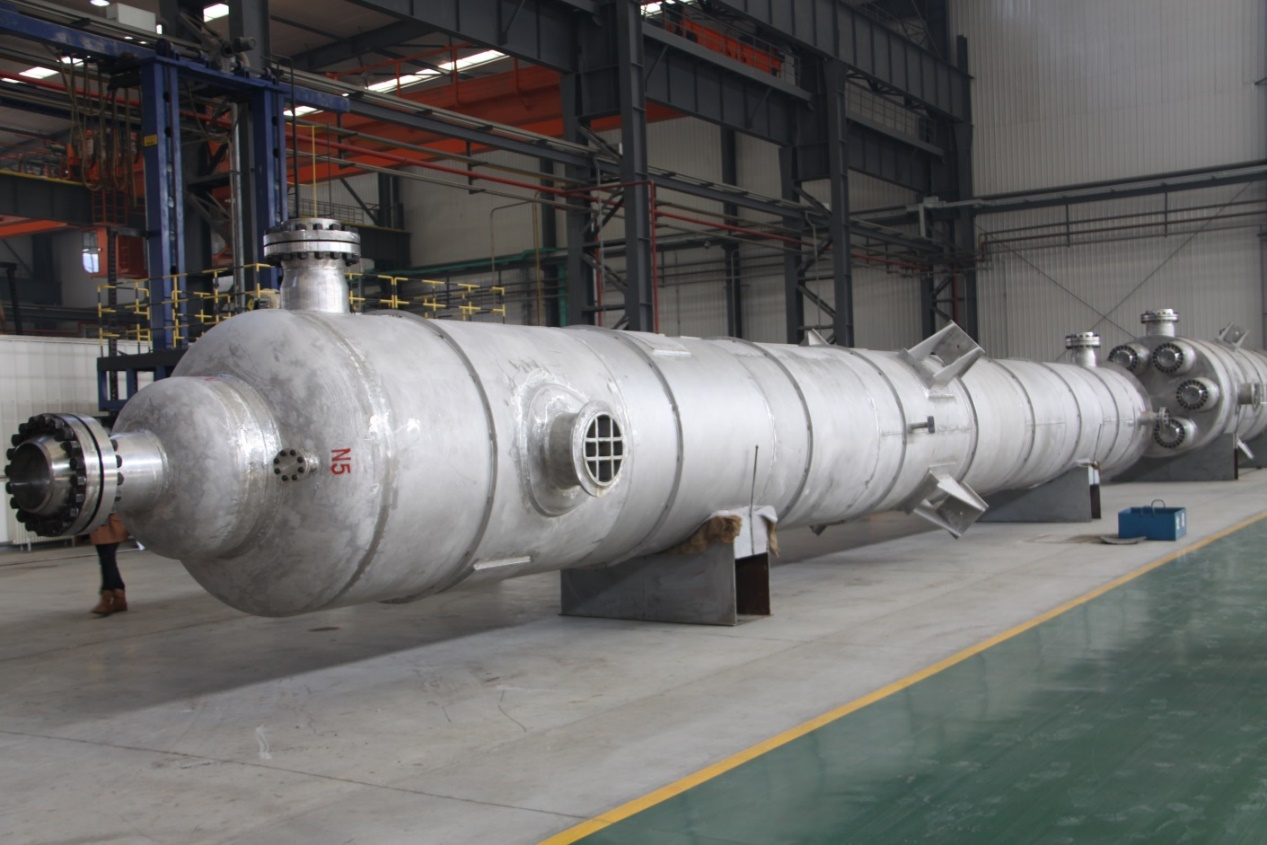
Échangeur de chaleur à tubes et coque / Échangeur à tubes enroulés haute pression
Kaifeng Air Separation Group Co., Ltd.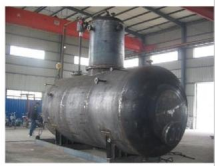
Désoxygénateur à film rotatif en tour verticale
Qingdao Changlong Heavy Equipment Co., Ltd.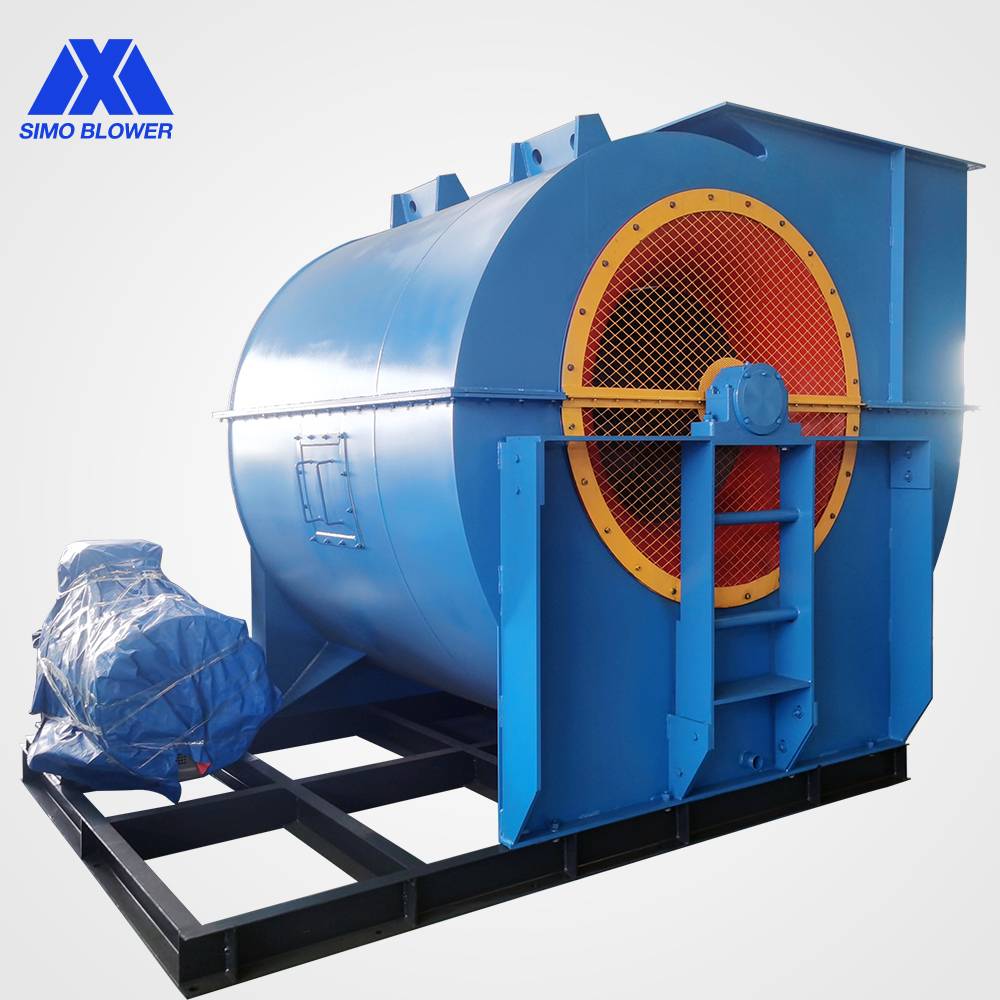
Ventilateurs centrifuges à grand débit de la série G/Y4-73
Xinxiang SIMO Blower Co., Ltd.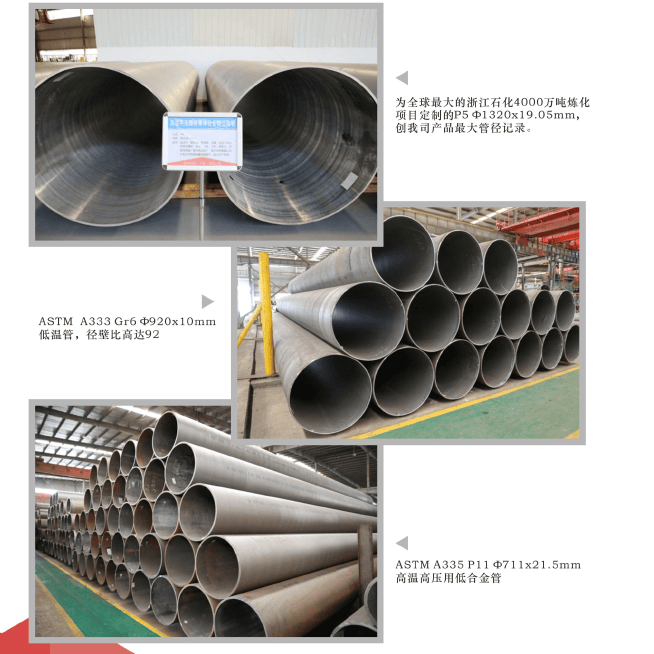
Tubes en acier pour raffinage et charbonchimie
YANGZHOU LONTRIN ENERGY EQUIPMENT CO.,LTD.
Solution d'ions perfluorure-CM-IES Solution d'ions perfluorure
Guizhou Juneng Century Technology Co., Ltd.

Solution SIS pour l’instrumentation de sécurité
Beijing Consen Automation Technology Co., Ltd.